




Tractor restoration is often viewed through a practical lens: repairing engines, replacing worn parts, and returning machines to working order. Yet beneath the grease and metal lies something deeper. Every vintage tractor represents a chapter in agricultural history, reflecting the technology, working practices, and economic realities of its time. Understanding and respecting this historical value is what separates a simple refurbishment from a meaningful restoration.
Agriculture has always been shaped by machinery. From the early days of mechanised farming, tractors transformed how land was worked, reducing reliance on animal power and manual labour. Each generation of tractors introduced innovations that improved productivity, safety, and comfort for farmers. When a restorer chooses to preserve an older machine, they are preserving evidence of those innovations and the era that produced them. The tractor becomes more than a tool; it becomes a historical artefact.
Historical value begins with originality. Original engines, gearboxes, castings, and body panels provide a direct link to the tractor’s manufacturing period. Even signs of wear can tell a story, revealing how the machine was used and maintained. Restorers who aim to retain as much original material as possible help ensure that the tractor remains an authentic representation of its past. While replacement parts are sometimes unavoidable, understanding what can be saved and what must be replaced is a key judgement in historically minded restoration.
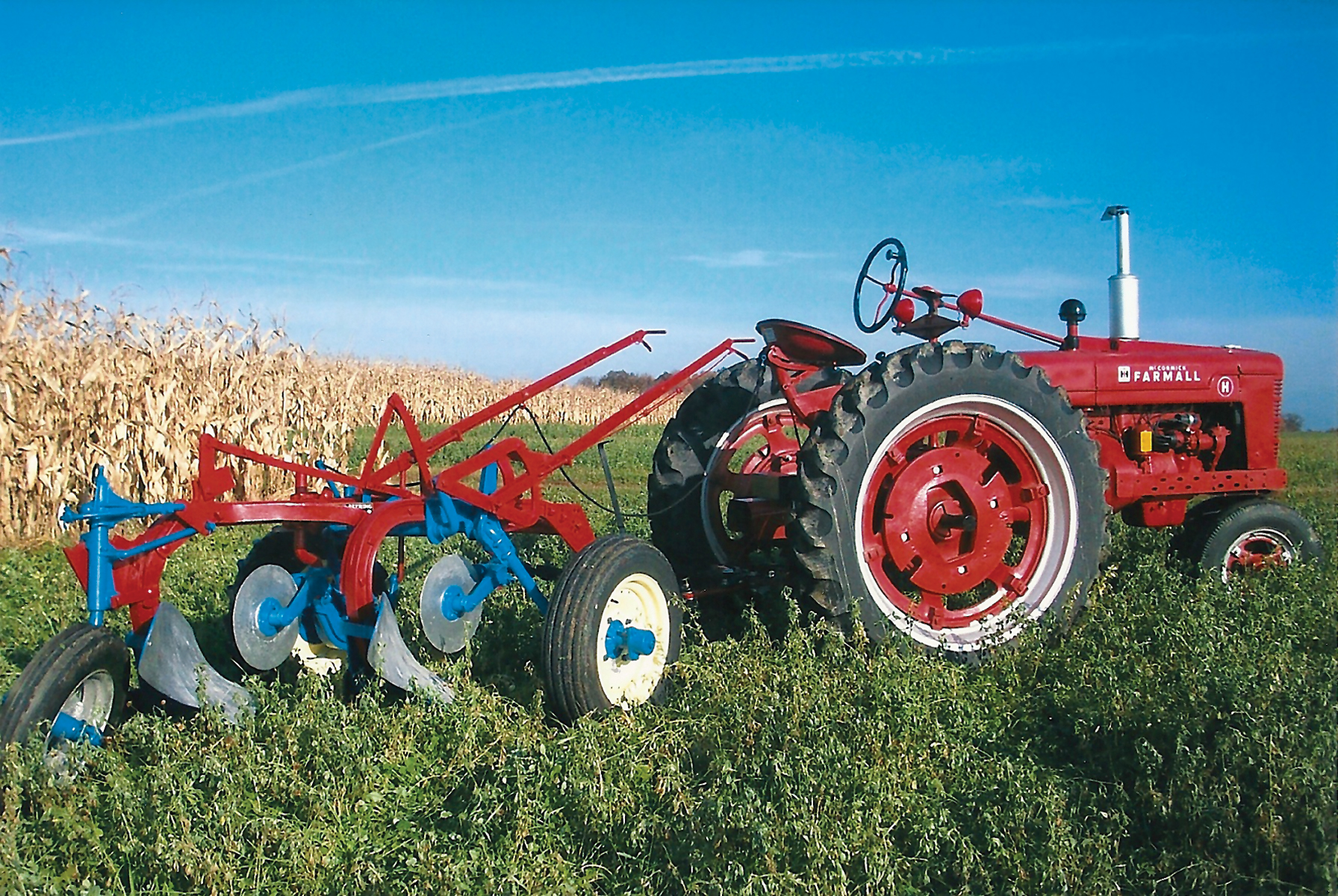
Paint colour and finish also play a significant role in preserving historical accuracy. Tractor manufacturers often changed colours, decals, and finishes over time, sometimes for branding reasons and sometimes due to changes in materials or production methods. Applying the correct shade and style helps place the tractor accurately within its timeline. Incorrect colours or modern finishes may look attractive, but they can distort the historical record and reduce the tractor’s credibility among enthusiasts and collectors.
Design features offer another window into history. Controls, seating, lighting, and instrumentation all reflect the priorities and limitations of their time. Early tractors prioritised durability and simplicity, often at the expense of operator comfort. Later designs began to address ergonomics and safety. Preserving these features, rather than modernising them unnecessarily, allows future viewers to understand how farming life evolved. Even small details, such as hand throttle placement or mechanical linkages, contribute to this understanding.
Historical value is not only about the tractor itself but also about its social context. Tractors were central to rural communities, shaping daily routines and seasonal rhythms. A restored machine can evoke memories for those who grew up around similar equipment, serving as a tangible connection to family histories and local traditions. At shows and rallies, restored tractors often become conversation pieces, prompting stories that might otherwise be lost.
Documentation enhances historical significance further. Service records, sales brochures, photographs, and operator manuals help establish provenance and context. When a restorer can link a tractor to a particular farm, region, or period, the machine gains narrative depth. This documentation can be just as valuable as the physical restoration itself, offering insight into how the tractor was originally marketed and used.
Balancing historical accuracy with practicality is one of the main challenges restorers face. Some components, such as seals or wiring insulation, benefit from modern materials for safety and reliability. The key is making sympathetic upgrades that do not alter the tractor’s outward appearance or fundamental character. Thoughtful decisions allow the tractor to function safely while remaining true to its origins.
Market value is often influenced by historical integrity. Collectors and museums tend to favour tractors that accurately represent a specific model and year. A restoration that respects original specifications is more likely to retain or increase its value over time. Conversely, heavily modified tractors may appeal to individual tastes but often struggle to command the same respect or financial return within the enthusiast community.
Suppliers and specialists play an important role in supporting historically accurate restorations. Access to correct parts, finishes, and reference materials makes it easier to avoid compromises. Many restorers rely on established sources such as Masseyparts to obtain components that match original designs, helping preserve authenticity while maintaining functionality.
From a historical standpoint, tractor restoration is about preservation rather than reinvention. A well-restored machine should reflect the era that produced it, retaining the design choices, limitations, and character that defined its working life. By respecting original specifications and making only sympathetic updates where necessary, restorers protect the integrity of the tractor’s story. In doing so, they ensure these machines continue to educate, inspire, and connect future generations with the agricultural heritage they represent — not as polished replicas, but as authentic survivors of a working past.