





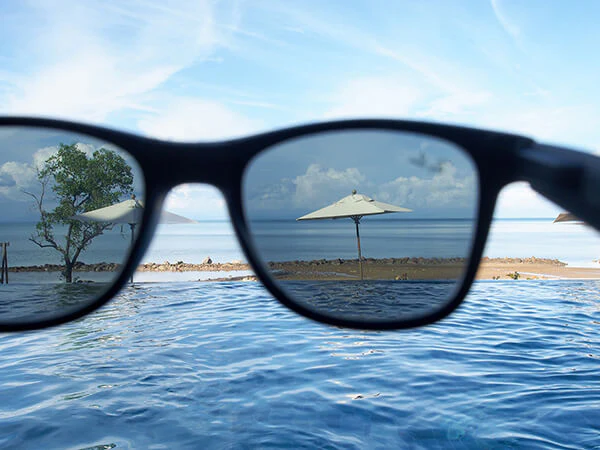
When it comes to protecting your eyes from the sun, not all sunglasses are created equal. Many people choose shades based on style or lens colour, but understanding the science behind effective protection is what truly keeps your eyes healthy in the long term. For anyone investing in quality eyewear — whether for everyday wear, driving, or outdoor activities — Faded Days Sunglasses and similar protective eyewear should do far more than just darken your vision. They should shield your eyes from harmful ultraviolet (UV) radiation — and that begins with understanding what UV400 protection really means and why it matters.
Ultraviolet rays are invisible to the naked eye, but they can penetrate deep into the structures of your eyes, causing both short-term irritation and long-term damage. Ultraviolet radiation comes in different wavelengths, including UVA and UVB. These rays are present even on cloudy days and can reflect off surfaces such as water, snow, and sand, intensifying exposure. Without proper protection, prolonged UV exposure can contribute to a range of eye health problems, from temporary discomfort to serious vision changes later in life.
The term UV400 refers to sunglasses that block ultraviolet light with wavelengths up to 400 nanometres. This effectively covers all UVA and UVB rays that reach the Earth’s surface — a complete barrier against the harmful portion of the UV spectrum. UV400 lenses are designed to filter out nearly 100% of these damaging rays, helping prevent both immediate issues like glare and eye strain and long-term conditions such as cataracts, macular degeneration, and growths on or around the eye.
A common misconception is that darker lenses automatically offer better protection. In reality, the tint or darkness of a sunglass lens has nothing to do with how much UV radiation it blocks. A dark lens without proper UV protection can actually be worse than no protection at all; because dark tint causes your pupils to dilate, more harmful UV rays can enter the eye. UV protection must come from a specialised coating or material in the lens itself, and the UV400 label is the simplest way to identify this.
Wearing UV400-rated sunglasses is similar to applying sunscreen to your skin. Just as sunscreen shields your skin from ultraviolet radiation that can lead to burns and skin cancer, UV-blocking sunglasses protect your eyes and the delicate skin around them. Studies consistently show that unprotected UV exposure increases the risk of cataracts, macular degeneration, and even certain types of eye cancer — risks that accumulate over a lifetime of exposure. By choosing eyewear with full UV400 protection, you significantly reduce the amount of harmful radiation that reaches your eyes.
Another advantage of high-quality UV protection is comfort. UV rays do more than damage eye tissue; they also contribute to glare and visual discomfort. Sunglasses with effective UV filtering help reduce that glare, making it easier to see in bright conditions without squinting. This is especially helpful when driving, spending time outdoors, or participating in sports. While polarisation and lens tint can improve comfort by cutting reflected light and glare, they do not replace UV protection — they simply complement it. UV400 protection remains the foundational element for safeguarding eye health.
For many people, the need for UV protection extends beyond sunny days. UV rays can still reach your eyes under overcast skies, and reflective surfaces like water or snow can increase exposure even in cooler weather or bright shade. Wearing quality sunglasses year-round helps ensure you are not leaving your vision at risk anytime you are outdoors. Consistent use of UV400-rated sunglasses has been linked to lower rates of serious long-term conditions because it prevents cumulative damage over time.
Frame design and fit also contribute to how well sunglasses protect your eyes. Wraparound styles and larger lenses can reduce the amount of UV light entering from the sides or above and below the frame — areas traditional glasses might leave exposed. These expanded designs offer broader coverage, reducing peripheral exposure and complementing the UV400 rating of the lenses themselves. Close-fitting frames can be especially important during high-exposure activities like skiing, boating, or hiking in bright mountain terrain.
It’s worth noting that protecting your eyes from UV damage is not just about comfort or avoiding temporary irritation. The cornea, lens, and retina are all vulnerable to cumulative UV exposure. Over years and decades, even moderate daily exposure can contribute to significant changes in eye health. Diseases like cataracts — where the lens becomes clouded — and macular degeneration — affecting the central part of the retina — are linked with long-term UV exposure, making protective eyewear a key preventative measure. Sunglasses that block 100% of UV light help shield these vital structures and reduce the likelihood of developing such conditions.
A pair of sunglasses that meets UV400 protection standards need not compromise on style or comfort. Today’s eyewear blends performance with design, allowing you to express personal taste while giving your eyes the scientific protection they deserve. Investing in quality UV-blocking sunglasses from reputable sources ensures that you are not relying on untested or ineffective products that may leave your eyes exposed. Certification and clear labelling are your best guides when selecting eyewear that genuinely protects your vision.
Seen in this light, sunglasses become far more than a fashion accessory — they are an essential piece of eye health equipment. From daily commutes to beach days and mountain hikes, the sun’s ultraviolet rays are a constant presence. Choosing sunglasses with UV400 protection provides a reliable shield, reducing cumulative risk and helping maintain your vision over time. Making this choice consistently empowers you to enjoy bright days with confidence, knowing that your eyes are protected by science, not just style.