



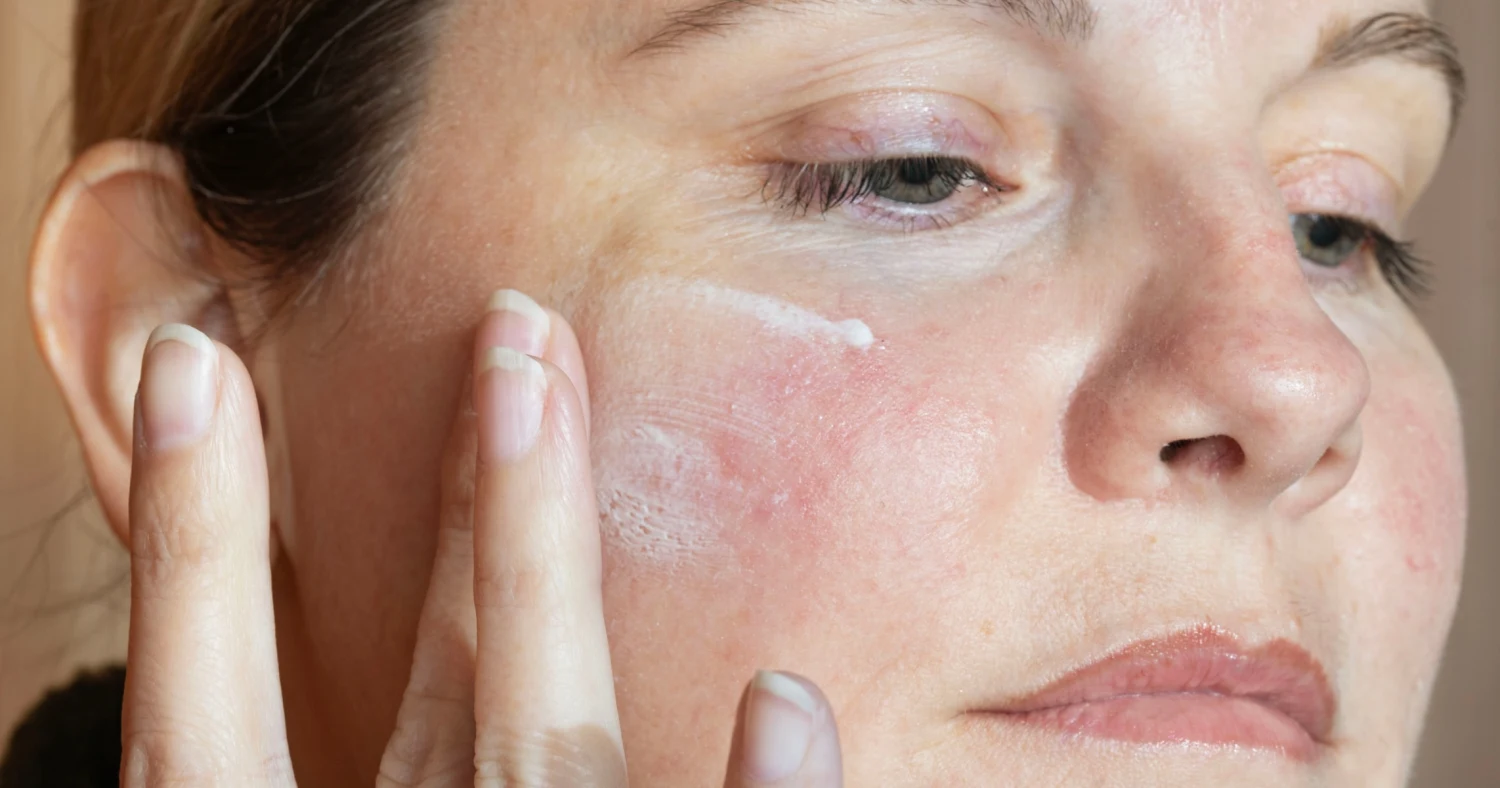
Rosacea is a complex and often frustrating skin condition, characterised by persistent redness, sensitivity, flushing, and in some cases visible blood vessels or inflammatory breakouts. For those living with rosacea, skincare can feel like a delicate balancing act. Products that work well for others may trigger flare-ups, while overly aggressive treatments often make symptoms worse. This is why a holistic skincare routine — one that considers the skin barrier, lifestyle influences, and long-term skin health — is so important for managing rosacea-prone skin.
At the heart of a holistic approach is the understanding that rosacea is not simply a surface-level issue. It involves inflammation, vascular reactivity, and a compromised skin barrier. Effective skincare therefore focuses less on “fixing” the skin quickly and more on supporting it consistently. Gentle routines, thoughtful ingredient choices, and patience are essential.
Cleansing is the foundation of any skincare routine, but for rosacea-prone skin it must be approached with care. Over-cleansing or using harsh surfactants can strip the skin of its natural oils, weakening the barrier and increasing sensitivity. A gentle cleanser designed to cleanse without foaming excessively is usually best. Lukewarm water should be used instead of hot, as heat is a common rosacea trigger and can exacerbate flushing. Cleansing once or twice daily is sufficient; more frequent washing often does more harm than good.
After cleansing, hydration becomes the priority. Rosacea-prone skin frequently struggles to retain moisture due to a compromised barrier. A well-formulated moisturiser helps reinforce this barrier, reducing transepidermal water loss and improving resilience over time. Ingredients such as ceramides, glycerin, and hyaluronic acid are commonly well tolerated and help restore balance without irritation. Fragrance-free formulas are especially important, as fragrance is a known trigger for many people with rosacea.
Soothing ingredients play a central role in holistic routines. Botanical extracts with anti-inflammatory properties can help calm visible redness and discomfort when used carefully. However, “natural” does not automatically mean safe. Essential oils, alcohol-based extracts, and highly active plant compounds can be irritating despite their natural origin. A holistic routine prioritises calming, low-reactivity ingredients rather than chasing trends or overly complex formulations.
Sun protection is one of the most important — and often overlooked — elements of rosacea care. UV exposure is a powerful trigger for flare-ups and can worsen redness over time. Daily sunscreen use is essential, even on cloudy days. Mineral sunscreens containing zinc oxide or titanium dioxide are often better tolerated than chemical filters, as they sit on the skin rather than being absorbed. Applying sunscreen as the final step in the morning routine helps protect sensitive skin from one of its most common environmental stressors.
Exfoliation requires particular caution. While exfoliation is often promoted as a way to improve skin texture and clarity, it can easily aggravate rosacea if done incorrectly. Physical scrubs and strong chemical exfoliants are generally unsuitable. If exfoliation is used at all, it should be infrequent, extremely gentle, and tailored to the individual’s tolerance. Many people with rosacea find that focusing on barrier repair and hydration yields better results than exfoliating regularly.
A holistic skincare routine also considers how products are applied. Rubbing, tugging, or using textured tools can increase irritation and flushing. Applying products with light, pressing motions helps minimise friction and respects the skin’s sensitivity. Allowing each product to absorb before layering the next reduces the risk of overload, which can overwhelm reactive skin.
Consistency matters more than variety. Switching products frequently makes it difficult to identify triggers and can destabilise the skin barrier. A simple, repeatable routine allows the skin to settle and adapt over time. Introducing new products slowly, one at a time, makes it easier to monitor reactions and avoid unnecessary flare-ups.
Beyond products, a holistic approach recognises the influence of lifestyle on rosacea. Skincare routines are more effective when supported by broader habits that reduce inflammation and stress on the skin. Adequate sleep, stress management, and awareness of personal triggers all contribute to better outcomes. While skincare alone cannot control rosacea entirely, it works best as part of an integrated approach.
Professional guidance can also play a role in holistic skincare. Skin professionals who understand rosacea can help tailor routines to individual needs, recommend appropriate treatments, and advise on product selection. Clinics and brands such as SkinGym often emphasise skin barrier health and gentle care, aligning well with a holistic philosophy that prioritises long-term improvement over quick fixes.
It is also important to acknowledge that rosacea can change over time. What works during one phase may need adjustment later due to hormonal shifts, climate changes, or evolving sensitivity. A holistic routine is flexible without being reactive, allowing for small, considered adjustments rather than complete overhauls.
Emotional wellbeing is another often underestimated aspect. Rosacea can affect confidence and self-esteem, particularly during flare-ups. A skincare routine that feels calming and supportive can become a form of self-care rather than another source of stress. This mindset shift is a key part of holistic skin health, reinforcing the idea that caring for rosacea-prone skin is an ongoing relationship rather than a problem to be solved quickly.
From a long-term perspective, the goal of holistic skincare is not perfection but stability. Reduced flare-ups, improved comfort, and stronger skin resilience are meaningful achievements. By focusing on gentle cleansing, consistent hydration, sun protection, and barrier support, rosacea-prone skin can become more predictable and manageable.
Viewed this way, a holistic skincare routine becomes an investment in skin health rather than a series of reactive measures. When products, habits, and expectations are aligned, rosacea-prone skin is better equipped to cope with everyday stressors. Over time, this steady, supportive approach often delivers the most sustainable improvements, helping individuals feel more comfortable and confident in their skin.