




For modern tech companies, the speed of delivery is just as important as the quality of the product. However, as organizations scale, they often hit a wall where design and development become bottlenecks for each other. Designers spend too much time recreating the same elements, and developers struggle to interpret inconsistent mockups. The solution to this systemic inefficiency is the implementation of a robust Design System—a unified language that bridges the gap between design and code.
From Static Pages to Component-Based Thinking
Traditional design often focused on creating static pages. In contrast, modern UI design is about building systems of components. Think of it like a set of Lego bricks: instead of building a specific house, you design the bricks that can be used to build any house. This modular approach allows for incredible flexibility. If the brand decides to change its primary color or its button style, the change can be made in one place and automatically updated across the entire product ecosystem.
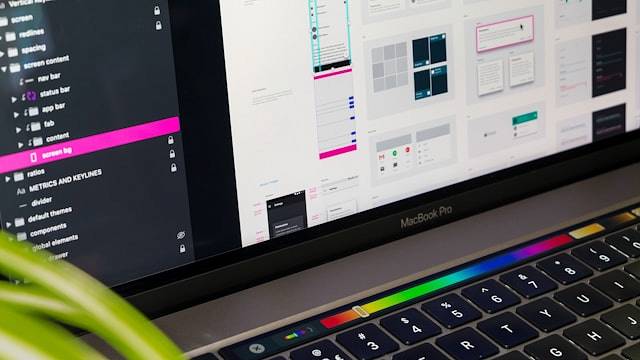
This shift to component-based thinking requires a disciplined approach to organization and documentation. Every component—from a simple input field to a complex navigation header—must be defined in terms of its visual states (hover, active, disabled) and its behavior across different screen sizes. This level of detail ensures that the UI is not only consistent but also resilient. It allows the product to adapt to new devices and platforms with minimal additional design effort, which is crucial in today’s fragmented hardware market.
Collaborating with UI Specialists to Build Foundations
Creating a Design System from scratch is a significant undertaking that requires specialized skills in both visual design and frontend architecture. Many companies choose to leverage UI design services to kickstart this process. External specialists can act as architects, helping to define the core tokens (colors, spacing, type scales) and building the initial library of high-priority components. They also provide the necessary documentation to ensure that the system is used correctly by both designers and developers.
This partnership often serves as a training ground for the internal team, introducing them to modern tools and workflows like Figma variables or automated design-to-code pipelines. The goal is to create a self-sustaining ecosystem where the Design System becomes the “single source of truth.” By removing the guesswork from the UI, the internal team can spend less time on repetitive tasks and more time on high-level problem solving and innovation.
The Long-Term ROI of UI Standardization
The initial investment in a Design System and professional UI consulting pays for itself many times over in the form of increased development velocity and reduced maintenance costs. It eliminates the “design debt” that typically accumulates as products grow and prevents the need for expensive, full-scale redesigns every few years. Most importantly, it results in a superior user experience characterized by perfect consistency and polished execution. In the competitive world of digital products, a systematic approach to UI is the foundation upon which global success is built.