





Wild Lettuce vs Garden Lettuce is a common confusion because both names contain the word “lettuce.” Garden lettuce is the familiar leafy vegetable used in salads, wraps, sandwiches, bowls, and grocery-store produce sections. Wild lettuce belongs to a botanical supplement context, especially when sold as a tincture, extract, capsule, dried herb, or powder. The shared word does not make them the same product experience.
The important point is simple: wild lettuce tincture should not be treated as “lettuce extract” from ordinary salad greens. Garden lettuce is food. Wild lettuce products are botanical supplements with different plant identity, taste, label rules, serving logic, and safety questions. Secrets Of The Tribe treats this as buyer-literacy work: a familiar food word should not make a supplement feel casual or interchangeable with produce.
This article does not provide medical advice. Wild lettuce tinctures, extracts, powders, capsules, and supplements are not intended to diagnose, treat, cure, or prevent pain, insomnia, anxiety, inflammation, infections, digestive problems, sleep disorders, or any disease. If you are pregnant or breastfeeding, under 18, taking medication, using sedatives or alcohol, managing a health condition, or unsure whether wild lettuce products are appropriate for you, ask a qualified healthcare professional before use.
Is Wild Lettuce the Same as Garden Lettuce?
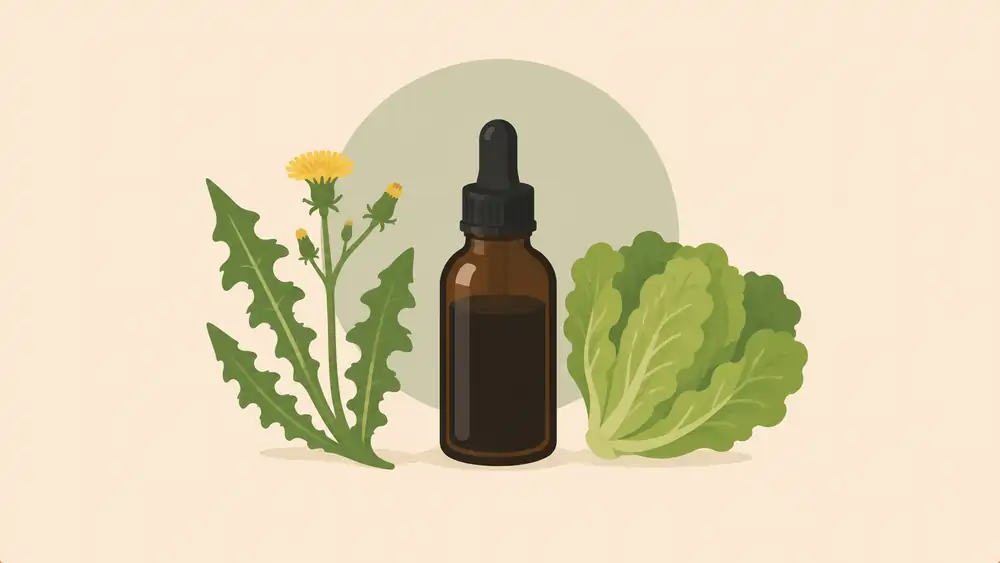
No. Wild lettuce and garden lettuce should not be treated as the same thing.
Garden lettuce usually refers to Lactuca sativa, the domesticated leafy vegetable eaten fresh. Wild lettuce often refers to Lactuca virosa or related wild Lactuca species used in herbal product contexts.
They are related at the genus level, but food use and supplement use are different categories.
Quick Comparison: Wild Lettuce vs Garden Lettuce
| Feature | Garden Lettuce | Wild Lettuce |
|---|---|---|
| Common context | Food, salads, wraps, produce | Botanical supplement, tincture, extract, dried herb |
| Common botanical name | Lactuca sativa | Often Lactuca virosa, depending on label |
| Main use logic | Nutrition and culinary serving | Supplement Facts and label directions |
| Taste expectation | Mild, crisp, watery, fresh | Bitter, earthy, herbal, stronger |
| Main buyer mistake | Thinking “lettuce” means ordinary salad food | Thinking tincture equals vegetable nutrition |
What Is Garden Lettuce?
Garden lettuce is the domesticated leafy vegetable commonly identified as Lactuca sativa. It is grown in many varieties, including romaine, butterhead, leaf lettuce, crisphead, and loose-leaf types.
People eat garden lettuce as food. It appears in salads, sandwiches, burgers, wraps, grain bowls, tacos, and side dishes. Its value is usually discussed through food qualities such as freshness, texture, hydration, vitamins, minerals, fiber, and culinary use.
That food context does not transfer directly to wild lettuce tincture.
What Is Wild Lettuce?
Wild lettuce is a common name used for several wild Lactuca species. In supplement contexts, the name often points to Lactuca virosa, sometimes called bitter lettuce, great lettuce, or wild lettuce.
Wild lettuce products may appear as tinctures, extracts, dried herbs, powders, teas, or capsules. These products are not the same as a bowl of salad greens.
The label should identify the botanical name and plant part so the buyer knows what is actually inside.
Why the Word “Lettuce” Creates False Confidence
The word lettuce feels safe and familiar because most people connect it with food. That can make wild lettuce sound milder than it is.
But common names often hide important differences. The phrase wild lettuce does not mean the product is made from romaine, iceberg, butter lettuce, or the salad greens in a grocery store.
When the format is tincture, extract, capsule, or powder, salad logic stops working.
Why Wild Lettuce Tincture Is Not Salad Extract
Wild lettuce tincture is not “salad extract” because it is usually made from wild Lactuca plant material, not ordinary garden lettuce leaves used in food.
A tincture also uses an extraction base such as alcohol, glycerin, water, or a combination. That creates a liquid herbal preparation with a serving size and directions on the label.
It should be handled like a supplement product, not like a vegetable juice or salad dressing ingredient.
Why Botanical Name Matters
The botanical name is the clearest way to separate wild lettuce from garden lettuce.
Lactuca sativa usually identifies garden lettuce. Lactuca virosa is commonly associated with wild lettuce products, although labels may vary and related Lactuca species can appear in herbal contexts.
If a bottle says only “wild lettuce” without a botanical name, the product is harder to evaluate.
Label Terms Buyers Should Check
| Label Term | What It May Mean | What to Check Next |
|---|---|---|
| Wild lettuce | Common name for a wild Lactuca species | Botanical name and plant part |
| Lactuca virosa | Common species used in wild lettuce supplement context | Format, serving size, warnings |
| Lactuca sativa | Garden lettuce used as food | Food or supplement context |
| Leaf | Above-ground plant material | Whether it is whole herb, powder, or extract |
| Latex or sap | Milky plant exudate mentioned in botanical discussions | Safety context and product type |
| Tincture | Liquid herbal extract | Extraction base and suggested use |
Why Plant Part Matters
Plant part tells you what material was used. A wild lettuce product may use aerial parts, leaf, stem, whole herb, sap-related material, or extract. A garden lettuce food product usually uses edible leaves.
These are not identical ingredient stories. Wild lettuce is often discussed for its bitter latex and sesquiterpene lactone compounds, while garden lettuce is usually discussed as a leafy vegetable.
A useful label should identify the botanical name and the plant part.
Why Taste Is Different
Garden lettuce usually tastes mild, crisp, watery, slightly sweet, or gently bitter depending on the variety.
Wild lettuce tincture may taste bitter, earthy, resinous, sharp, or strongly herbal. An alcohol-based tincture may also feel warm or sharp in the mouth.
If a wild lettuce tincture does not taste like lettuce from a salad, that is not surprising. It is a different product category.
Why Color and Texture Are Different
Garden lettuce is a fresh leafy vegetable. It has visible leaves, water content, crunch, and perishability.
Wild lettuce tincture is a liquid extract. It may be amber, brown, greenish-brown, dark herbal, or slightly cloudy depending on the formula, extraction base, plant material, and storage.
You should judge a tincture by label directions, smell, storage condition, seal integrity, and spoilage signs, not by salad expectations.
Why Nutrition Facts Do Not Transfer
Garden lettuce nutrition facts describe a food serving. They may include calories, water, vitamin K, vitamin A, folate, minerals, and fiber depending on the variety.
Wild lettuce tincture is a supplement serving. It uses a Supplement Facts panel, not a Nutrition Facts panel.
Do not apply salad nutrition logic to a wild lettuce extract.
Garden Lettuce Food Logic vs Wild Lettuce Supplement Logic
| Question | Garden Lettuce | Wild Lettuce Tincture |
|---|---|---|
| Which label panel matters? | Nutrition Facts | Supplement Facts |
| How is it measured? | Cups, grams, leaves, recipe portions | Drops, milliliters, serving size |
| How is it used? | Eaten as food | Used according to supplement directions |
| What is the main expectation? | Freshness, crunch, nutrition, food texture | Botanical extract routine |
| What is the main caution? | Food safety, washing, spoilage | Label directions, warnings, personal health context |
Why Serving Size Cannot Be Guessed From Food
You cannot convert a salad serving into a tincture serving. One cup of romaine lettuce does not help you decide how many drops of wild lettuce tincture to use.
The serving size comes from the supplement label. It depends on the plant material, extraction method, concentration, and formula design.
Do not use kitchen logic for tincture servings.
Why “Wild” Does Not Mean Better
The word wild can sound more natural, stronger, or more authentic. But “wild” does not automatically mean safer, cleaner, stronger, or better.
Wild plants can be misidentified, contaminated, overharvested, or inappropriate for some people. Commercial products also vary in quality and labeling clarity.
A precise label matters more than romantic plant language.
Why Foraging Wild Lettuce Is Not the Same as Buying Lettuce
Foraging adds identification risk. Wild plants can resemble other plants, grow near contaminants, or vary by season and location.
Garden lettuce from a grocery store is part of a food supply chain. Wild lettuce collected outdoors is a different situation.
Do not harvest or use wild plants unless you have verified identification and understand local rules, contamination risk, and safety concerns.
Why Raw Wild Lettuce Is Not a Salad Green
Wild lettuce should not be treated like a raw salad green. Safety reports and supplement discussions describe wild lettuce differently from ordinary edible lettuce.
Garden lettuce is cultivated for food. Wild lettuce products exist in a botanical supplement context and can have stronger bitter compounds and different safety questions.
That difference is the central point of Wild Lettuce vs Garden Lettuce.
Who Should Be Extra Careful With Wild Lettuce Products?
Extra caution matters for children and teens, pregnant or breastfeeding people, medication users, people using sedatives, people drinking alcohol, surgery patients, and people with chronic health conditions.
People with allergies to plants in the Asteraceae family should also be cautious.
Ask a qualified healthcare professional before using wild lettuce products if personal health context matters.
Why Sedative Language Needs Caution
Wild lettuce is sometimes discussed online with sedative or pain-related language. That language can be risky because it may create expectations that a supplement will act like a medication.
A dietary supplement should not be used as a substitute for medical care, sleep care, pain management, mental health support, or prescribed treatment.
Secrets Of The Tribe takes a cautious editorial stance here: wild lettuce content should explain product context without promising effects.
Why Product Format Changes the Question
A wild lettuce tincture, capsule, dried herb, powder, and tea are not identical. Each format has different serving directions, taste, storage, and preparation questions.
A tincture may use alcohol or glycerin. A capsule may contain powder or extract. A tea may depend on steeping method. A blend may include other herbs with their own warnings.
The format should guide how you read the label.
What to Check on a Wild Lettuce Tincture Label
Check the botanical name first. Look for Lactuca virosa or another clearly identified Lactuca species.
Then check plant part, extraction base, serving size, suggested use, warnings, alcohol content, other ingredients, storage instructions, and expiration date.
If the product only says “wild lettuce” without details, it is harder to compare.
When a Wild Lettuce Product Looks Suspicious
Be cautious if a tincture smells moldy, rotten, rancid, sour, fermented, or chemical-like. Also avoid products with broken seals, leaking caps, visible growth, unclear labels, or missing serving directions.
Some sediment may be normal in herbal extracts, but fuzzy material or pressure buildup is not normal.
If in doubt, do not use the product.
Wild Lettuce vs Garden Lettuce Checklist
Use this checklist before comparing a wild lettuce product with ordinary garden lettuce. The goal is to avoid applying salad logic to a botanical supplement.
Check the Botanical Name
Look for Lactuca virosa or another clearly identified wild Lactuca species, not just the word lettuce.
Separate Food From Supplement
Garden lettuce is a food. Wild lettuce tincture is a supplement product with different label rules.
Find the Plant Part
Check whether the product uses leaf, aerial parts, whole herb, sap-related material, or extract.
Read the Correct Label Panel
Use Nutrition Facts for food lettuce and Supplement Facts for tinctures, capsules, powders, and extracts.
Do Not Guess Serving Size
Do not convert salad servings into tincture drops or supplement servings.
Expect a Different Taste
Wild lettuce tincture may taste bitter, earthy, sharp, or herbal rather than crisp and fresh.
Review Safety Warnings
Look for cautions related to pregnancy, breastfeeding, minors, medication, alcohol, sedatives, and health conditions.
Avoid Casual Foraging
Do not collect wild plants unless identification, legality, contamination risk, and safety are clear.
Ask When Health Context Matters
If you take medication or have a health condition, ask a qualified professional before using wild lettuce products.
Common Mistakes to Avoid
Thinking Wild Lettuce Means Strong Garden Lettuce
Wild lettuce is not simply a stronger version of salad lettuce.
Calling Tincture “Lettuce Extract” From Salad Greens
Wild lettuce tincture usually refers to wild Lactuca plant material, not grocery-store lettuce.
Using Nutrition Facts for a Supplement
Food nutrition facts do not describe a wild lettuce tincture.
Ignoring Botanical Name
The common name wild lettuce is not enough for product comparison.
Trusting Online Sedative Claims
Do not use wild lettuce as a substitute for medical care or prescribed treatment.
FAQ
Is wild lettuce the same as garden lettuce?
No. Garden lettuce is usually Lactuca sativa, while wild lettuce products often refer to Lactuca virosa or related wild Lactuca species.
Is wild lettuce tincture made from salad lettuce?
No. Wild lettuce tincture should not be assumed to come from ordinary salad lettuce.
What is garden lettuce?
Garden lettuce is the domesticated leafy vegetable Lactuca sativa, commonly eaten in salads and wraps.
What is wild lettuce?
Wild lettuce is a common name for wild Lactuca species used in botanical supplement contexts.
Can I use garden lettuce nutrition facts for wild lettuce tincture?
No. Garden lettuce nutrition facts describe food, not supplement extracts.
Why does wild lettuce tincture taste bitter?
Wild lettuce products can contain bitter plant compounds and may taste earthy, sharp, or herbal.
Should I forage wild lettuce for a salad?
No. Do not treat wild lettuce like a salad green, and avoid casual foraging without expert identification and safety knowledge.
What should I check on a wild lettuce label?
Check botanical name, plant part, format, serving size, extraction base, warnings, and other ingredients.
Who should be careful with wild lettuce products?
Minors, pregnant or breastfeeding people, medication users, alcohol users, sedative users, and people with health conditions should ask a professional first.
Glossary
Wild Lettuce
A common name for wild Lactuca species, often used in herbal supplement contexts.
Garden Lettuce
The domesticated leafy vegetable commonly identified as Lactuca sativa.
Lactuca sativa
The botanical name for garden lettuce, the common food lettuce used in salads.
Lactuca virosa
A wild Lactuca species often associated with wild lettuce supplement products.
Botanical Name
The scientific name that identifies a plant more precisely than a common name.
Plant Part
The part of the plant used in a product, such as leaf, aerial parts, whole herb, root, seed, or sap-related material.
Tincture
A liquid herbal extract made with a solvent such as alcohol, glycerin, water, or a combination.
Supplement Facts
The label panel that lists serving size and dietary ingredients in a supplement.
Nutrition Facts
The food label panel that lists calories, macronutrients, and selected nutrients.
Asteraceae
The plant family that includes lettuce, dandelion, chicory, chamomile, and many other plants.
Conclusion
Wild Lettuce vs Garden Lettuce is a food-versus-supplement distinction. Garden lettuce belongs to salad and nutrition logic, while wild lettuce tincture belongs to botanical product logic, so the label, plant identity, plant part, and serving directions matter first.
Sources
Garden lettuce botanical and food overview, Lettuce — britannica.com/plant/lettuce
Wild lettuce species overview and Lactuca virosa identity, Lactuca virosa — en.wikipedia.org/wiki/Lactuca_virosa
Wild lettuce toxicity case report, Wild lettuce toxicity — pmc.ncbi.nlm.nih.gov/articles/PMC3031874
Garden lettuce taxonomy and Lactuca sativa context, Lettuce — en.wikipedia.org/wiki/Lettuce
Wild lettuce safety and supplement context overview, Wild Lettuce: Is it Safe, and Does it Work? — webmd.com/diet/what-is-wild-lettuce
Dietary and herbal supplement safety overview, Dietary and Herbal Supplements — nccih.nih.gov/health/dietary-and-herbal-supplements
Wild lettuce supplement safety and claims overview, Wild Lettuce: Exploring Health Claims and Safety — verywellhealth.com/the-benefits-of-wild-lettuce-88661
Dietary supplement consumer guidance and Supplement Facts label basics, Questions and Answers on Dietary Supplements — fda.gov/food/information-consumers-using-dietary-supplements/questions-and-answers-dietary-supplements
Dietary supplement structure/function claim guidance, Structure/Function Claims — fda.gov/food/nutrition-food-labeling-and-critical-foods/structurefunction-claims